

Grief has a way of rearranging your world without asking permission.
One moment, life feels familiar. Then something happens. Someone is gone. And suddenly you’re moving through the same routines, conversations, and spaces—but everything feels different.
If you’re here because you’ve lost someone, you don’t need to be told that grief is hard. You already know that. What often surprises people is how deeply grief changes not just your emotions, but your relationships, your sense of identity, and the way you move through the world.
In my work as a therapist in Montclair, NJ, I often sit with people who tell me they feel like they’re living on a different timeline than everyone else. Life around them keeps moving forward, while they’re still trying to make sense of what happened.
If that resonates, you’re not alone.

Grief is often talked about as if it’s one universal experience. But the truth is that grief changes depending on how the loss happened.
When loss comes unexpectedly, there is often shock layered on top of grief. Your nervous system may stay on high alert, replaying moments, searching for meaning, or struggling with unfinished conversations.
Many people describe feeling numb one moment and overwhelmed the next. It can feel disorienting to move between everyday tasks and moments of intense emotion. Your mind and body are trying to catch up to something your heart already knows.
When someone declines slowly due to illness or aging, grief often begins long before the loss itself.
There can be exhaustion from caregiving, anticipatory grief, and quiet moments of saying goodbye long before the final moment arrives. Sometimes people feel relief mixed with sadness afterward, and then guilt for feeling that relief at all.
Both experiences are real. Neither is easier. They are simply different pathways through loss.
The nature of the relationship shapes grief in profound ways.
The loss of a child can feel like a rupture at the core of identity. It often carries not only grief for the person who was lost, but grief for the future you were beginning to imagine.
For some, this loss happens during pregnancy or shortly after birth through miscarriage, NICU experiences, or birth trauma. These experiences can leave parents carrying a quiet, invisible grief that others don’t always see or understand. The attachment begins long before birth, and so does the loss.
There is no timeline or right way to grieve this kind of love. Many parents find that while grief changes shape over time, the bond itself never disappears.
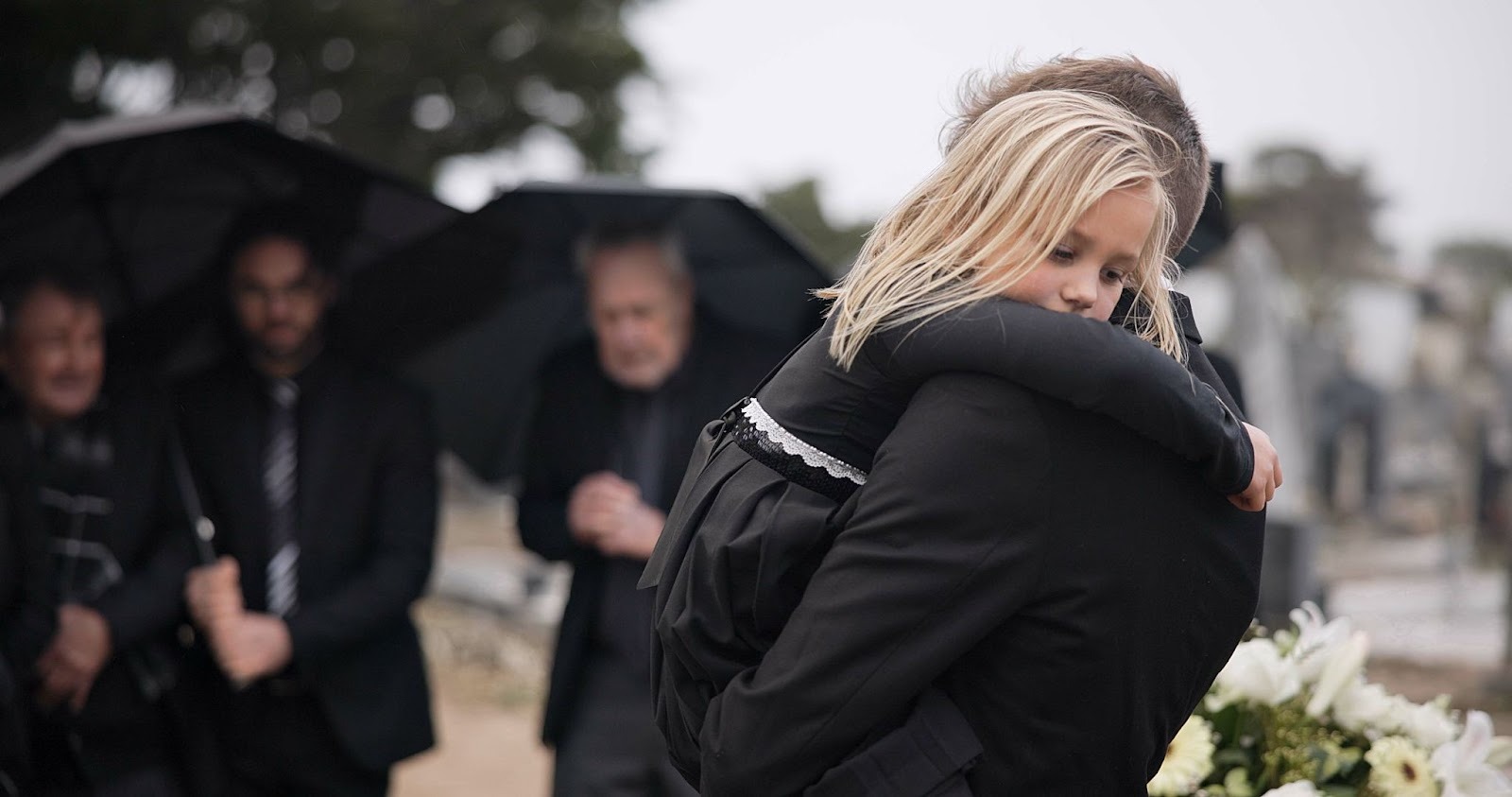
You are grieving not only the person, but the shared rhythm of everyday life. The one who witnessed your ordinary moments is no longer there, and the silence that follows can feel enormous.
Many people describe this loss as disorienting because it changes both the present and the future at once. The small routines you built together —meals, conversations, inside jokes, plans—suddenly feel missing, and even simple decisions can feel heavier without that shared partnership.
Siblings often hold our history. Losing one can change family dynamics and leave you feeling untethered from your own past.
This kind of grief can feel complicated because it is sometimes less visible to others, even though the bond is deeply formative. You may be grieving not just the person, but the version of yourself that existed with them—the shared memories, roles, and unspoken understanding that only siblings tend to hold.
Even in adulthood, losing a parent can create a quiet feeling of being unanchored. Many people notice a shift in their role within the family, or a new awareness of their own place in the cycle of life.
For some, it also brings a sense of stepping into a new chapter without a familiar safety net. The person you turned to for perspective or reassurance may be gone, leaving you to navigate life in a way that feels both more independent and more vulnerable.
No comparison is needed here. Grief isn’t a hierarchy. Every loss reshapes us in its own way.
One of the hardest parts of grief is how it reshapes your connection to the people still around you. You may notice yourself pulling away from conversations that once felt easy. Small talk might suddenly feel exhausting. You may want people close while simultaneously feeling irritated or overwhelmed when they reach out. Sometimes you crave being understood, but don’t have the energy to explain what’s happening inside you.
These contradictions are incredibly common.
Grief changes how we attach, how we seek comfort, and how much emotional bandwidth we have. Some people become quieter. Others need more reassurance. Some feel anger or resentment toward people who still have what they’ve lost. Many feel guilt for not showing up in relationships the way they used to.
It can also feel unsettling when others don’t respond in the way you hoped. People may avoid the topic because they’re afraid of saying the wrong thing. Others may try to fix your pain or rush you toward feeling better. Even well-meaning support can feel misaligned when your internal world is moving at a completely different pace.
What’s often happening underneath all of this is a kind of relational mismatch. You are adapting to a new reality, while the people around you may still be interacting with the version of you that existed before the loss.
This doesn’t mean your relationships are failing. It means they are adjusting to something that has fundamentally shifted.
Grief is relational because love is relational. When someone important is gone, every connection in your life subtly reorganizes around that absence. In therapy, we often talk about how loss ripples outward. It touches every relationship differently, including the relationship you have with yourself.
There’s also a moment in grief that many people don’t anticipate. At first, messages come in. People check on you. There are flowers, texts, and offers to help. And then, slowly, things get quieter. Not because people don’t care, but because life keeps moving for everyone else. For the person grieving, though, that silence can land heavily.
You may find yourself wondering if others have forgotten, or questioning whether you’re supposed to be “doing better” by now. This stage of grief can feel surprisingly lonely, even when you’re surrounded by people. Naming it can help you realize that nothing is wrong with you. Grief often outlasts the attention it initially receives.
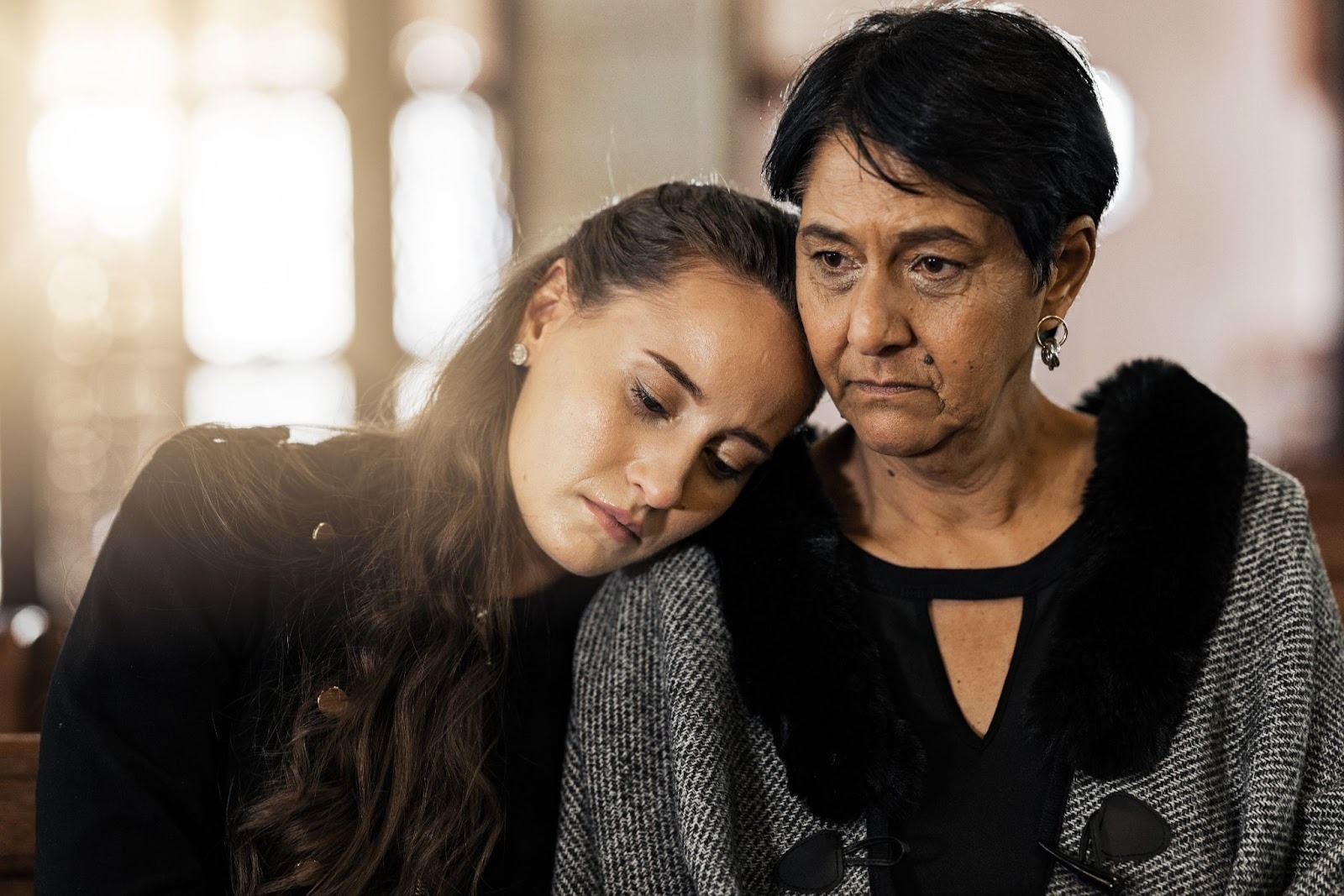
When you’re grieving, communication can feel surprisingly complicated. You may not know what you need from one day to the next. Some days you might want to talk about the person you lost for hours. Other days, hearing their name might feel too overwhelming. You may want company without conversation, or silence without feeling alone.
This inconsistency is not confusing or wrong. It’s part of how grief moves.
Many people feel pressure to explain themselves clearly or to make others feel comfortable. But grief often doesn’t come with neat language. Sometimes the most honest communication is simple and unfinished:
Clear communication isn’t about managing other people’s emotions. It’s about protecting your own energy while staying connected in ways that feel safe for you. And it’s okay if your needs change. Grief rarely follows a predictable pattern. Allowing yourself flexibility is one of the gentlest forms of self-compassion.

Many people quietly wonder, Will I ever feel like myself again?
Loss has a way of shifting identity in ways we don’t immediately recognize. You may find yourself reacting differently to situations that never bothered you before. Conversations that once felt meaningful may feel shallow. Priorities can change without warning.
Sometimes people describe feeling as if they’re watching their old life from the outside. You might notice yourself becoming more selective about where you spend your time or who you allow close. Relationships that once felt effortless may require more energy than you have to give. This can feel unsettling, especially when others expect you to return to who you were before.
But grief is not simply an emotion—it’s a transformation. It asks us to reorient ourselves around a world that no longer looks the same.
You may become more honest, more protective of your boundaries, or more sensitive to what feels genuine. Some relationships deepen through this process. Others naturally fall away. Neither outcome is necessarily wrong.
Healing doesn’t mean returning to an earlier version of yourself. Often, it means learning how to carry your loss while becoming someone new alongside it.
Grief changes you because love changed you first.
Grief can feel isolating, especially when you’re trying to protect others from your pain or feel pressure to “move on.”
Individual therapy offers something different. It’s a space where you don’t have to manage anyone else’s comfort. You don’t have to explain why you’re still grieving or worry that your feelings are too much.
In my online and Montclair, NJ therapy practice, I work with individuals navigating grief, loss, and the relational shifts that often follow. Together, we explore not just the loss itself, but how it’s changed your world, your relationships, and the way you see yourself.
Therapy isn’t about rushing toward closure. It’s about creating space for your experience to be honored, understood, and integrated at your own pace.
➡️ Learn more about Individual Therapy Services:
https://www.drjenjoseph.com/individual-therapy-services
If you’re reading this while feeling heavy, lost, or disconnected from the people around you, know this:
Your relationships may change. You may change. And still, connection is possible. Healing doesn’t mean forgetting. It means learning how to hold both love and loss in the same breath.
And you don’t have to figure that out alone. Reach out to me today to begin your therapy journey.

