
.jpg)
Not all postpartum stories are wrapped in joy.
For some, the arrival of a baby is followed by quiet heartbreak. For others, the joy never arrived at all. The grief that can come during the postpartum period is real, valid, and often invisible. And whether you're grieving a miscarriage, navigating the NICU, or sitting in the discomfort of a diagnosis you didn’t expect, know this: you are not alone.
Grief in the postpartum period can feel confusing, especially when everyone expects you to feel grateful, happy, or “so in love.” But when your birth story doesn’t go as planned—or when you’ve lost what you were hoping for—grief takes root. And it deserves care.
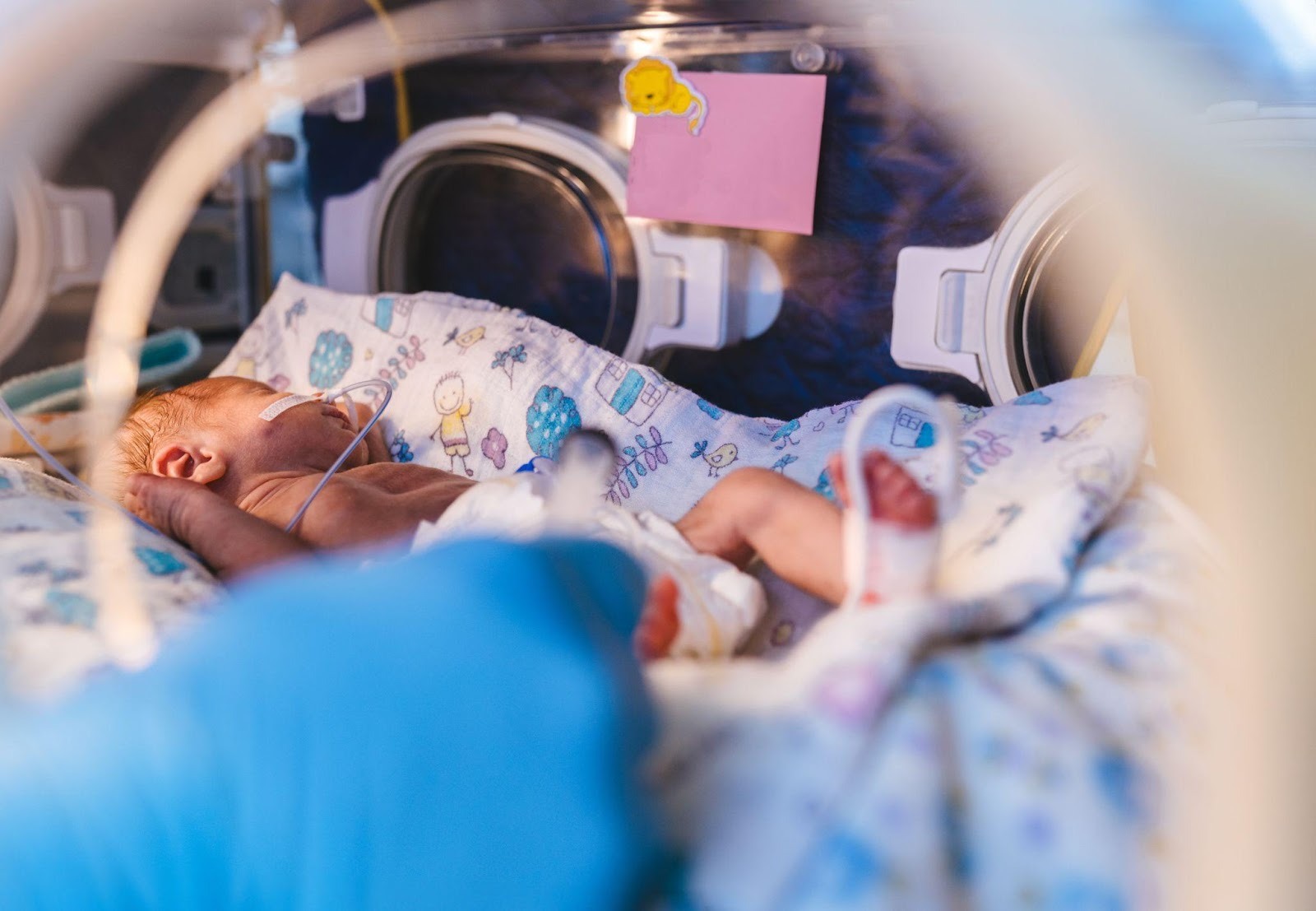
Postpartum grief takes many forms. It might begin with a miscarriage, a stillbirth, or a birth that unfolds far differently than expected. It might look like sitting beside your baby in the NICU, feeling helpless and terrified. It might come after a diagnosis, a rushed surgery, or weeks of feeding challenges that have left you physically and emotionally drained.
Sometimes the grief isn’t about just one event, it’s about all the small losses that build up quietly: the baby shower you had to cancel, the breastfeeding journey that never took off, the vision of early motherhood that has slipped away.
Grief in postpartum isn’t always about death. It’s often about loss of expectation, loss of ease, and loss of the story you thought you’d be living.
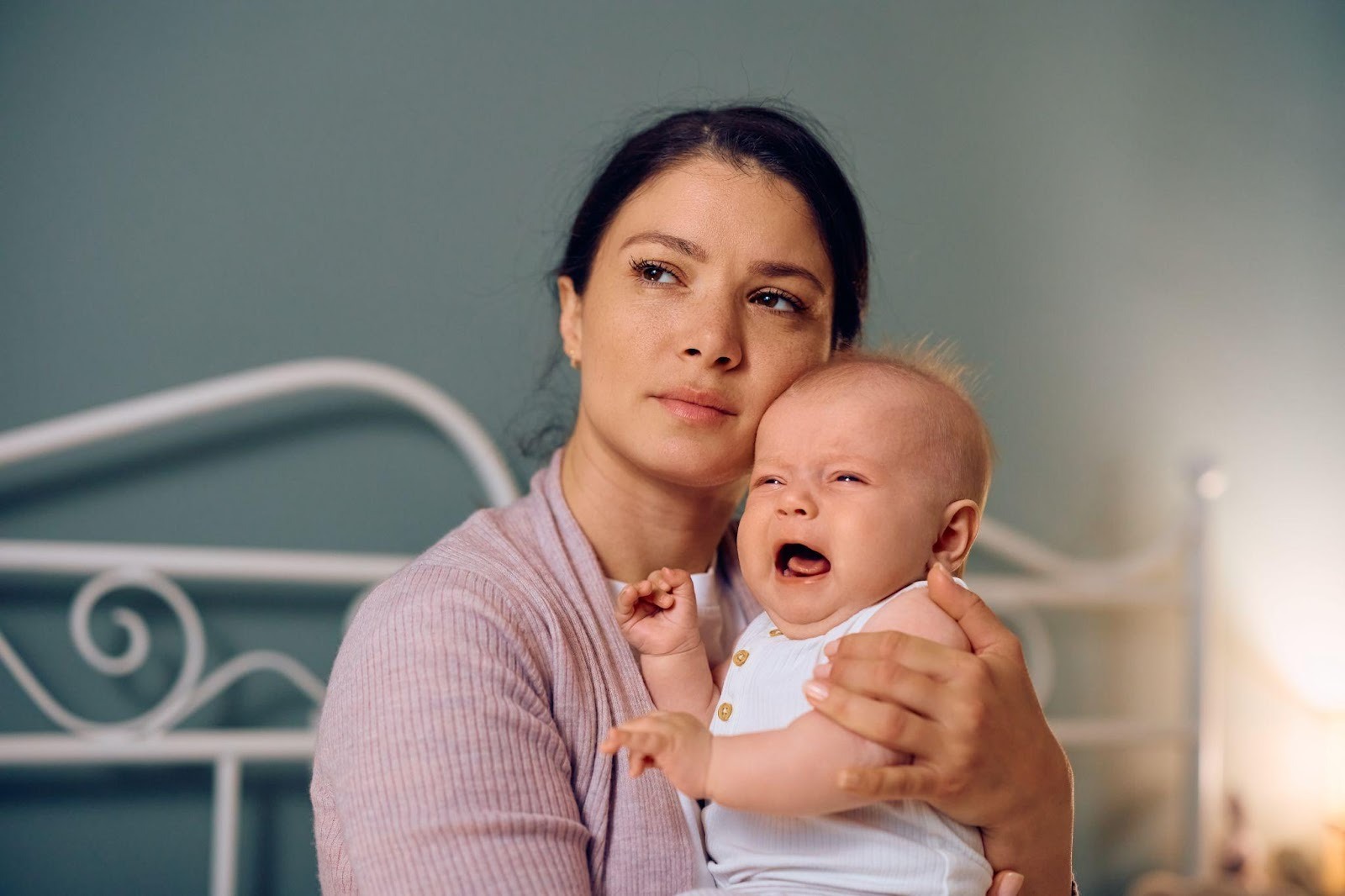
The feelings that accompany postpartum grief are layered and complex. You might feel:
You might feel all of these. Or none of these. Or like you’re feeling them all at once.
Grief doesn’t follow a straight line. It shows up in waves, sometimes crashing, sometimes quiet, and can surface weeks or even months later. This is especially true if your energy has been entirely focused on survival: yours, your baby's, your family's.
If you carried a pregnancy, your body remembers the loss in ways that language can’t always express.
Breastmilk may come in even after miscarriage or stillbirth. You may be physically recovering from delivery or surgery while emotionally reeling from what didn’t happen. Hormonal shifts after birth can intensify emotional swings, and the body often carries trauma in ways that feel unpredictable: tension, fatigue, hypervigilance.
Your nervous system may stay on high alert, especially if your baby’s health was in danger. Even if things are medically stable now, your body might not have caught up.
One of the hardest parts of postpartum grief is that it often doesn’t wait for things to “settle.” For parents who have a baby in the NICU, or a baby with a medical condition, or even just a baby at home after a complicated birth, grief and parenting happen simultaneously. Especially if you also have lost a parent or other close relative yourself.
You might be bottle-feeding while crying. You might be trying to bond with your baby but feel afraid to attach or that you and your baby won’t attach to each other. You might be reading about milestones and wondering if your baby will get there.
Grief makes joy feel fragile. And it’s okay to say: “This isn’t what I thought it would be.”
You don’t need to fix your grief. You need space for it.
Here are a few small, grounding practices that can help you care for yourself in this season:
You don’t have to do all of these. Even one small act of care matters. Even reading this post is a form of tending to yourself.
Grief is not something to get over. It’s something to move with and honor—and that takes time, safety, and support.
In perinatal therapy, we work together to honor your loss, your story, and your emotional landscape. There’s no rush. No pressure to be “okay.” Just space to explore, cry, rest, question, and begin again.
Therapy might include:
You don’t have to carry this alone. Therapy is one place where all your emotions are welcome, and where healing doesn’t have to look like “moving on.”

If you’ve experienced miscarriage, a traumatic birth, or are parenting through a NICU stay or diagnosis, please know: your grief is real.
You are not too sensitive. You are not broken. You are not doing it wrong.
You are moving through one of the most tender, sacred, and painful experiences life can hold. And you’re doing it with more strength than you know.
Healing doesn’t mean forgetting. It means finding ways to live in the world again, without silencing your grief. You are allowed to hope, rest, and love again, on your own timeline.

