
.jpg)
Becoming a parent for the first time is one of the most transformative experiences a person—and a couple—can go through. It’s joyful, life-altering, and often… a little disorienting.
Even if you’ve long dreamed of this moment, planned for it, grieved infertility losses, or weathered the heartbreak of pregnancy and birth complications, the transition into parenthood doesn’t unfold the way we expect. That first year with a baby is not just about falling in love with your child. It’s also a reckoning with who you’ve become in your new identity as a parent, and who you’re becoming as a family.
If you’re feeling off-track, disconnected, or unsure of how to find your way back to each other, this message (and potentially postpartum couples therapy) is for you.
Let’s get something straight: almost every couple goes through a rocky period after having a baby. The exhaustion is relentless. The mental load is heavy. The intimacy shifts are confusing. And no matter how strong your connection was before, your relationship is suddenly being lived out in an entirely new ecosystem.
You’ve likely had to renegotiate everything from your daily routines to your sleep schedule, communication habits, priorities, and even your identity. Some days, the love you feel might be eclipsed by the sheer number of tasks that need doing before 8am. Other days, you might miss your partner in the same house you’ve always shared.
And that doesn’t mean you’re doing it wrong. It just means you’re in the thick of something real.

Even the most egalitarian couples are often surprised by how quickly traditional gender roles creep back in after baby arrives.
For the birthing parent, there’s usually a very real and visceral tether to the child. You’re up at night, nursing or pumping. Your nervous system becomes wired to detect every cry, every movement, every feeding cue. And whether you’re back at work or not, it can feel like your body and your brain are not your own anymore.
Meanwhile, the non-birthing partner is often left trying to “catch up.” They may feel like an outsider to this intense bond. They want to be helpful, but worry about doing it wrong. And while the birthing parent may be hormonally bathed in oxytocin (even as they’re also depleted and raw), the non-birthing partner is, as one client put it, “just raw-dogging their connection to the baby with nothing but vibes.”
This difference in experience can create emotional distance. Each person is doing their best, but they're doing it from vastly different starting points.
Without even meaning to, many couples start operating on two entirely different tracks.
You may start feeling like coworkers running a chaotic daycare rather than partners. Resentment starts to build. Who’s getting more sleep? Who remembered to buy wipes? Who keeps track of the pediatrician appointments? Who keeps the fridge stocked?
The mental load—the invisible work of remembering, planning, anticipating—is often unevenly distributed, even among couples who swore they’d “do it differently.”
And slowly, tension builds. You miss your partner, but you’re too exhausted to talk. You want help, but asking for it feels like another job. You want intimacy, but your body doesn’t feel like your own. You want to connect, but neither of you know how.
Again: this doesn’t mean your relationship is broken. It means your relationship is under pressure. And all relationships change under pressure.
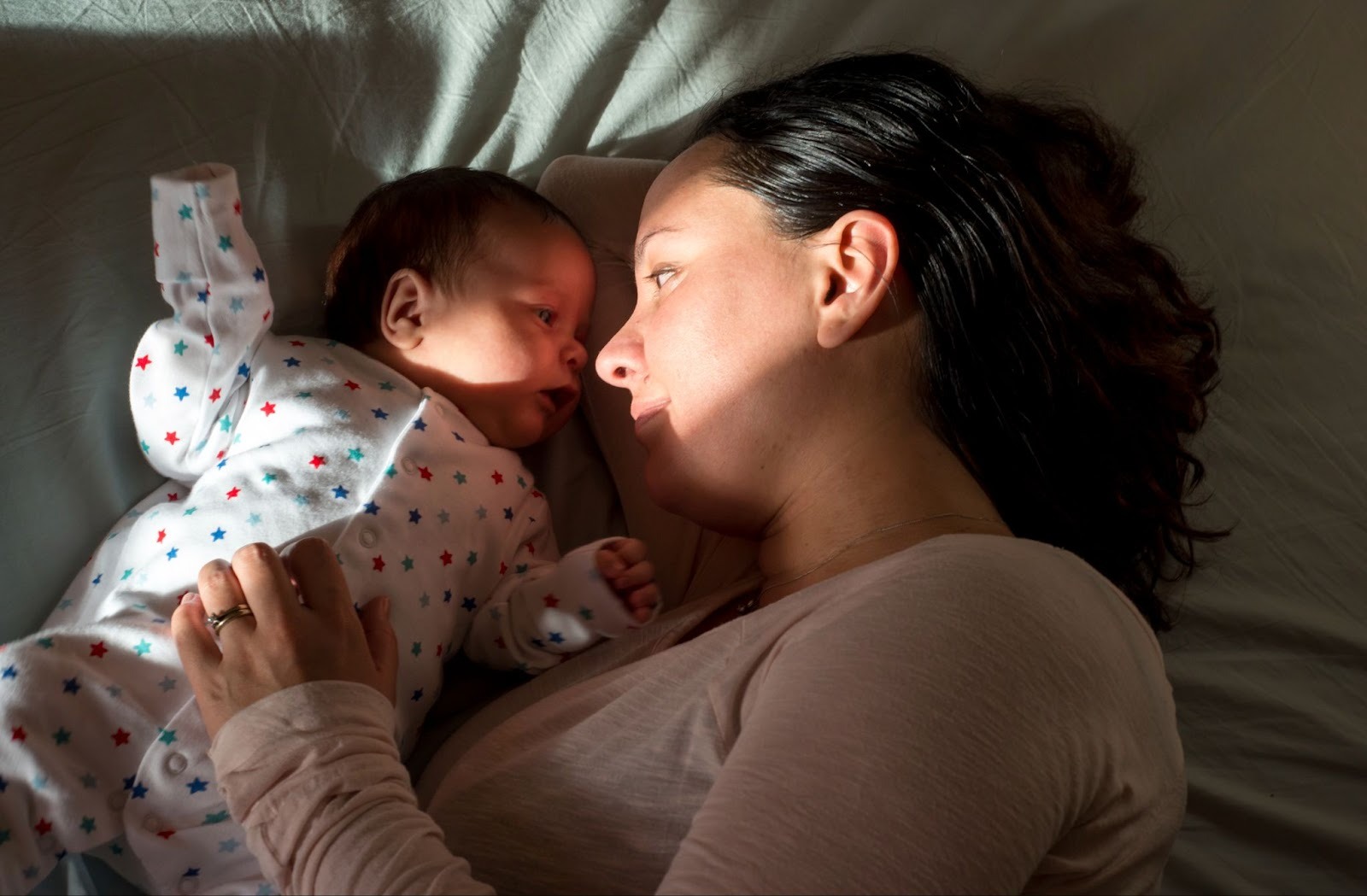
You’re doing more than you ever have, with less rest than you’ve ever known. And somehow, you still question whether you’re doing enough.
Maybe you feel pulled in every direction—wanting to be everything for your baby, but also missing your old self. Maybe you feel abandoned by your partner, even though you know they’re trying. Maybe you’ve felt deeply alone while holding the baby in your arms.
You might not even recognize the feelings you’re having. Your feelings may not be postpartum depression or anxiety in the clinical sense. Sometimes it’s grief. Sometimes it’s rage. Sometimes it’s numbness.
You don’t have to carry this in silence. You deserve support, too. Therapy can be a place to reconnect with yourself, to process what this season is bringing up, and to give voice to the parts of you that feel silenced by all the doing.

This is hard for you, too. And the world doesn’t always give you the space to say so.
You may feel unsure of your role, hesitant to interrupt, or confused about where you fit into this new rhythm. You want to be helpful, but sometimes feel like you're guessing. You care deeply, and still feel like you’re not measuring up.
You may also be grieving your own losses—quietly, without acknowledgment. The loss of sleep, freedom, spontaneity, or even just the version of your partner who had more emotional room for you.
All of that is valid. And you’re not alone in it. Therapy can be a space to understand your experience, strengthen your bond with your partner and child, and build confidence in the kind of parent you want to be.
Your journey may not include hormones, postpartum symptoms, or childbirth recovery, but it’s no less valid, and no less intense. You may be experiencing bonding in a way that feels different than expected. Or you might find that one partner feels more "attached" while the other struggles to connect. You may also be navigating fears, previous losses, or identity questions that few people around you understand. You may wonder, “How will I explain that my child is adopted”?
It’s okay to be overjoyed and overwhelmed. Therapy can help you navigate the nuances of building attachment, dividing labor, and managing the invisible expectations that come with building your family through adoption.
The challenges don’t vanish after the baby sleeps through the night or starts daycare. In many ways, they evolve.
You’ll face discipline disagreements. Developmental delays. Career sacrifices. Social isolation. Tiny heartbreaks you didn’t see coming. Big decisions about schools, schedules, and second children. And yet, most couples assume they should be able to “figure it out on their own.”
The truth is: relationships deserve tune-ups. You wouldn’t expect a car to keep running perfectly after thousands of miles without service. Why should your partnership be any different?
Therapy isn’t just for couples on the brink. It’s for couples who care deeply enough to pause and repair.
Couples therapy offers you a place to:
Whether you’re newly postpartum or three years deep into parenting, therapy can be the bridge back to connection.
Not all partners are ready for couples work. That doesn’t mean you’re stuck.
Individual therapy for relationship stress can be powerful. It can help you:
And often, the growth that begins in individual therapy ripples outward into the relationship.

If you’re feeling overwhelmed, distant from your partner, or unsure how to name what’s been happening between you, it doesn’t mean your relationship is broken. It’s stretched.
You are allowed to love your child deeply and still miss who you were before. You’re allowed to want connection and not know how to create it right now.
Therapy isn’t here to judge where you’ve been, it’s here to support where you’re going. And wherever you are in the journey of parenting, there’s still room to come home to each other.
If you're a new parent near Montclair, NJ or the surrounding areas of New York and New Jersey, I offer in-person therapy sessions designed to support couples through the postpartum transition. I am also available to work virtually with couples in all PsyPact Approved States (Click here for the list of PsyPact participating states).
Whether you’re navigating sleep deprivation, emotional distance, or the mental load of parenting, I provide a grounded space for both partners to reconnect and repair. Connect with me today to get started.

